Coming Spring 2027
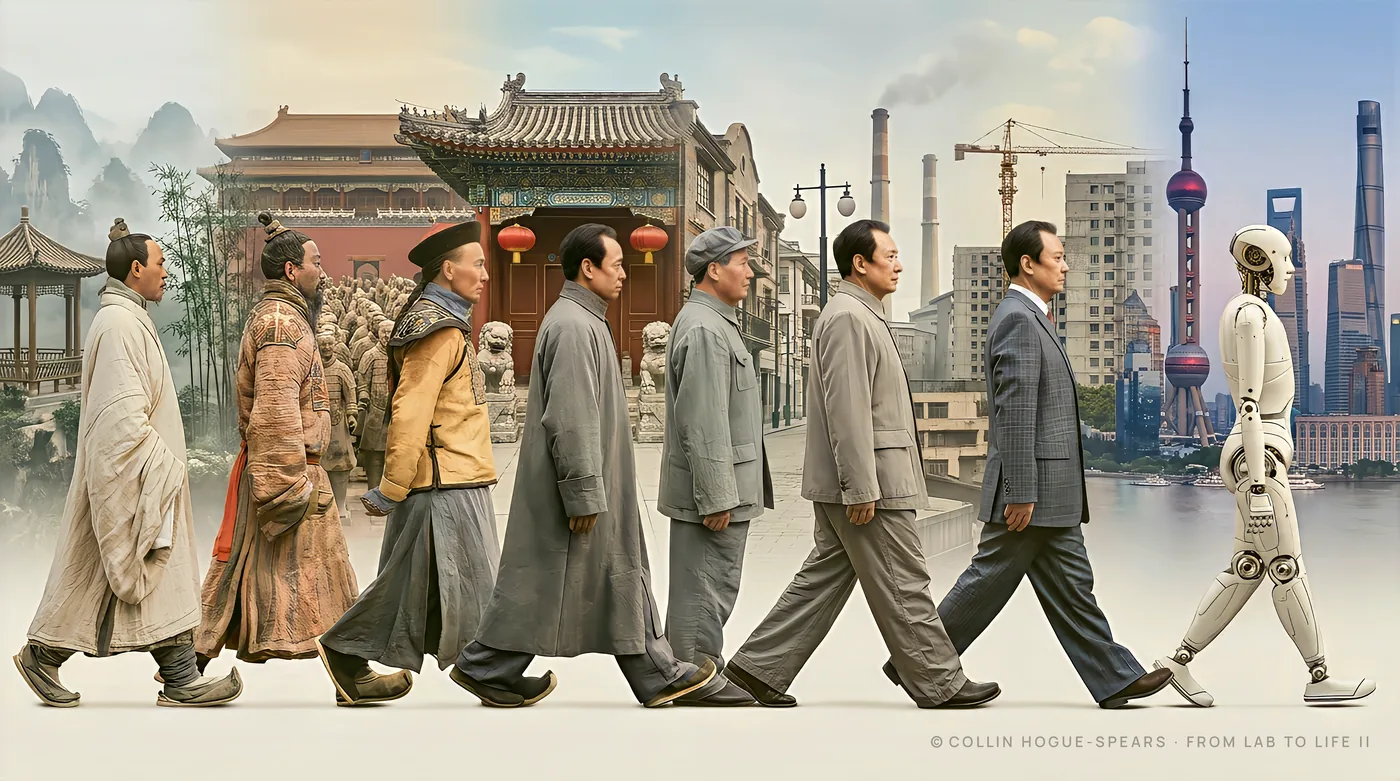
The newest figure in the line has a certificate. It still has to prove it can do the work.
The next step in AI is a body. China is building the market for embodied AI before the machines have proved they belong in it.
The newest figure in the line has a certificate. It still has to prove it can do the work.
In China a robot reaches the market by being classified as deployable.
Standards and certificates decide which machines may compete. Procurement catalogs route demand, and industrial funds route capital, toward the ones that clear the bar. None of that makes a machine finish a shift; battery life and actuator endurance settle that, and no committee can vote them into existence. From Lab to Life traced the same machinery through software. Book Two follows it into hardware.
A standard meets an actuator. A procurement catalog meets a factory line. Two questions follow each encounter.
Which machines are allowed to compete for the work, and who decides.
Whether it does useful work, day after day, at a cost an operator can justify.
National standards, certification marks, provincial work plans, procurement catalogs, and the industrial funds behind them.
Humanoids and wheeled machines, followed from the demonstration hall to the factory line.
One test for every deployment claim: does an operator with no stake in the maker keep the machine at work?
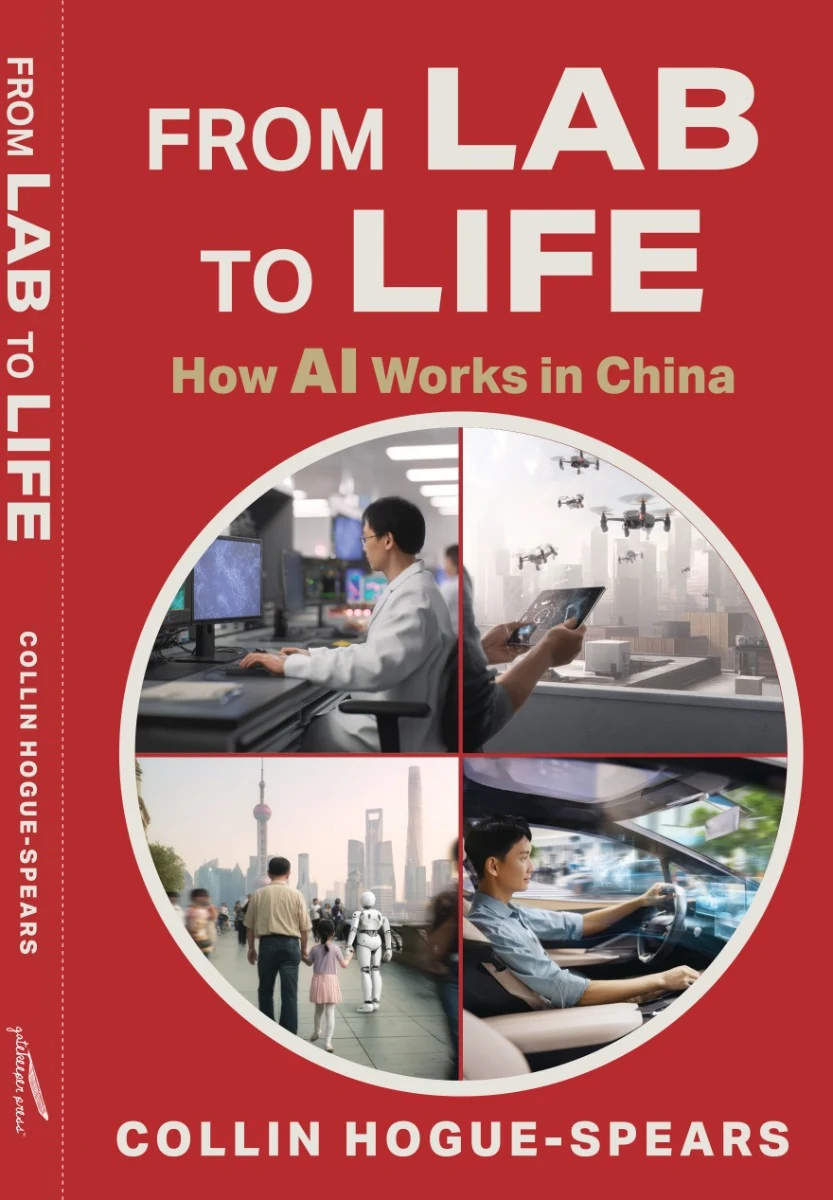
How AI Works in China is available now in hardcover, paperback, and ebook. It is where the argument starts, and it stands on its own.
Research notes as the book comes together, the publication date, the cover reveal, and an advance excerpt, no more than one email a month.