Authored articles and expert commentary on cybersecurity operations, AI governance, supply-chain security, and compliance engineering — across the trade and general press.
Long-form essays in trade publications on the same questions the book takes up — operating models, supply-chain risk, and the governance plumbing that sits underneath AI deployment.
"Ransomware negotiators see more of a company's crisis-time financials than most board directors do. Yet they tend to work through private chat channels that clients can't read in real time. That is a structural trust problem."
"If your CFO reviews headcount every quarter but has never seen a friction score, you're funding a ghost workforce and calling it overhead. IT friction isn't a cost center. It's a ghost headcount."
"Washington's pause does not pause anyone else. State regulators, foreign governments and corporate boards will write the rules federal hesitation declines to write. The result is a more fragmented compliance perimeter, not a freer one."
"The return on a single management-plane compromise exceeds what you get from a hundred endpoint compromises, because the firewall does not just protect the network. It defines the network."
"AI agents execute tasks. They don't produce the evidence trail that stands between your company and a regulatory enforcement action. The pattern repeats across every vertical: AI compresses commodity features and expands governance obligations."
"They tested their malware against Oracle database libraries, built custom implants to maintain persistence, and timed execution to exploit a 72-hour window across the banking holidays of three countries. That's not opportunistic crime. That's a funded engineering organization with better release management than half the fintechs I've assessed."
"APT31 bypassed every build-pipeline defense the industry deployed after SolarWinds by compromising the hosting provider and selectively poisoning Notepad++ updates to East Asian telecom and financial targets for six months."
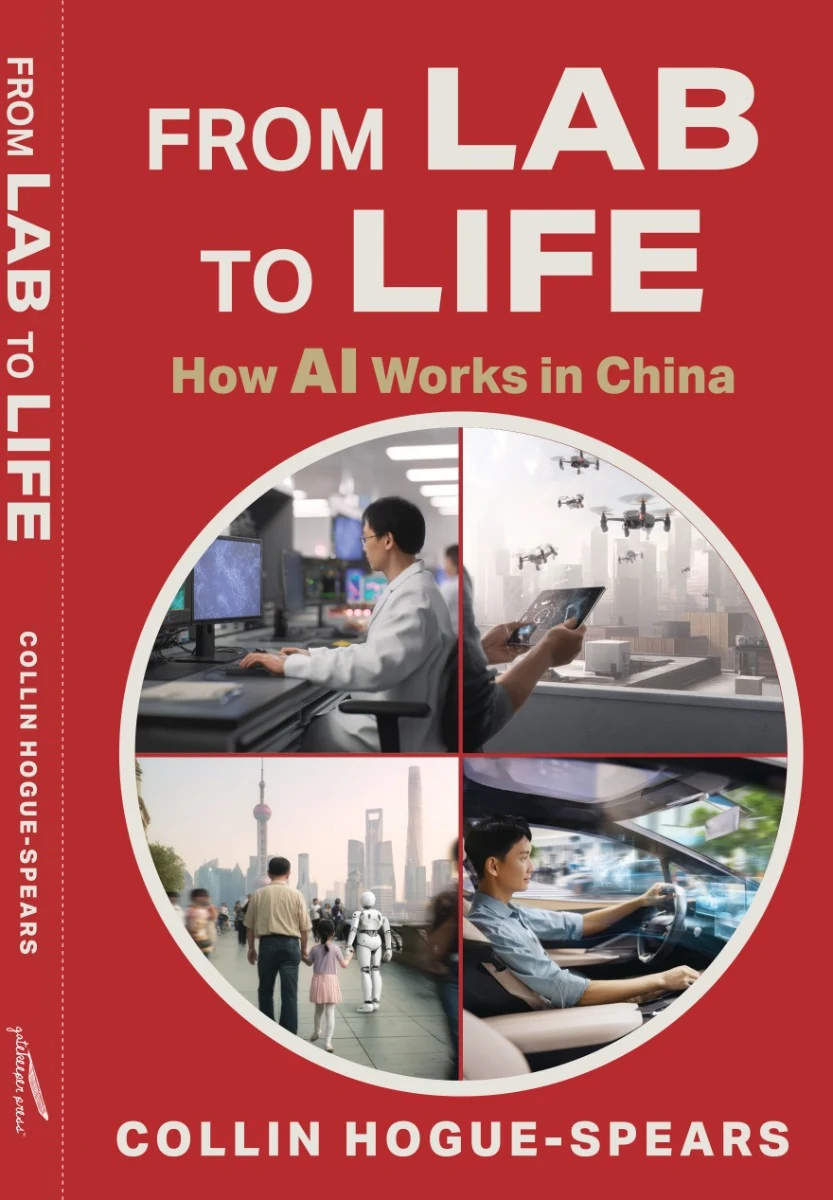
A mechanism-level operational manual for the world's second-largest AI ecosystem. August 2026.
Built from primary Chinese-language regulatory texts, company filings, and technical documentation — drawing on the CAC algorithm filing registry, MIIT licensing publications, MPS cybersecurity grading standards, SAMR enforcement decisions, and corporate disclosures from Baidu, Alibaba, ByteDance, Tencent, and DeepSeek.